A Checklist for Hosting a Low-Stress Dinner Party
Somewhere along the way, inviting four people over for lasagna turned into a production with a shopping spreadsheet, a color-coded timeline, and a faint sense of dread. It does not have to be that way. A good dinner party is mostly about a table where people linger, and almost nothing about whether the napkins match. What follows is the order of operations I use now, after enough evenings of overreaching to know better.
Start With the Guest List, Then Stop Adding to It
Six to eight people at one table is the sweet spot. Everyone can hear everyone. Push past ten and the table splits into two conversations while you spend the night standing up.
Invite people who will talk to each other, not just to you. If you are mixing groups, seat the person who knows no one beside the friend who asks good questions. That single placement does more for the mood of the evening than any dish you cook.
Send one message with the date, the time, and a sentence about what to expect: "Come hungry, we're eating outside." Ask about dietary restrictions in that same message and write down the answers. Asking once is thoughtful. Asking again the night before sounds like you lost the note.
Build a Menu You Can Cook Without a Stopwatch
The rule that saves dinner parties is simple: one dish that needs your attention, everything else that does not.
Pick one anchor
Braised short ribs, a tray of roasted chicken thighs, a pot of chili, a lasagna, a big curry. Something that goes into the oven or onto a low burner and then mostly takes care of itself while you set the table and change your shirt.
Add sides that can be made ahead
Good bread. A large salad dressed at the last minute. Roasted vegetables that taste fine at room temperature. A grain salad. A jar of pickles or olives you did not make and do not need to apologize for.
Choose a dessert without a timer
Ice cream with something warm spooned over it. A tart from the bakery. Berries and whipped cream. Nobody at your table is grading the dessert, and the one you can serve without watching an oven is the one that actually reaches the table.
Before you commit to a menu, run it through these questions:
- Can I make any part of this the day before?
- Does it survive sitting out for thirty minutes?
- Does it need the oven at the same temperature as something else?
- Can it be served in the dish it cooked in, saving a pan?
- Does everyone at the table get to eat it?
Any menu that passes all five is a good menu. Two dishes that fail are a stressful evening.
The Timeline: Two Days, One Day, The Day Of
Spread the work out and the day itself stays calm. This is where most of the stress gets removed.
Two days out
Write your grocery list from the recipes, not from memory. Buy wine, ice, sparkling water, and coffee now. Check that you have enough chairs, plates, and glasses, and that the dishwasher is not already full of last week's dishes.
The day before
Make the dressing. Cook the grain salad. Bake the dessert or decide firmly to buy one. Clean the bathroom guests will use, and clear the surfaces where coats and bags will land. A tidy entryway does more for the feeling of the night than a fancy centerpiece.
The day of
- Shop for anything fresh, then put groceries away before you start cooking.
- Three hours before: assemble the anchor dish and chill the drinks.
- Ninety minutes before: clear the kitchen counters and empty the dishwasher. This is the real secret of easy cleanup later.
- One hour before: shower and change. Put it on the list. Being dressed before the doorbell rings changes how the whole evening feels.
- Thirty minutes before: low light, music on quietly, candles lit, water glasses filled, bread in the oven.
- Ten minutes before: dress the salad and set out the first small plate.
Set the Table Before You Get Tired
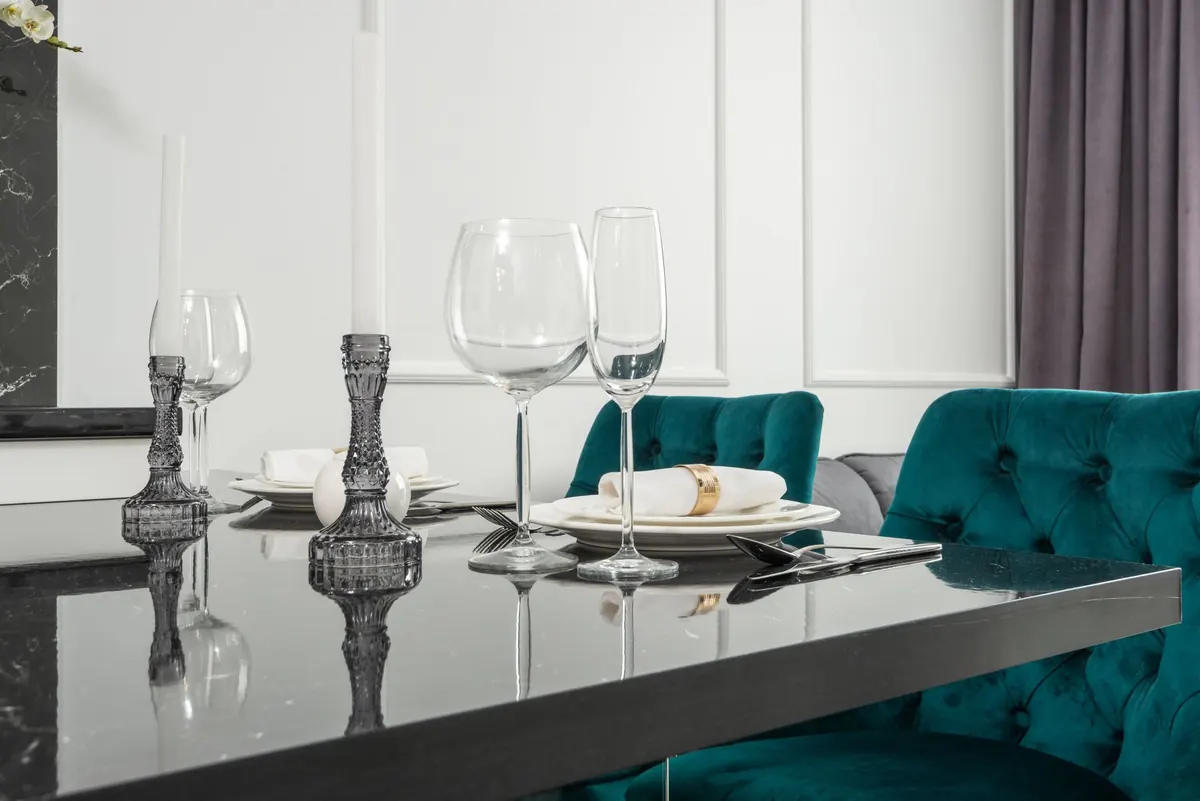
Anything you can do before guests arrive, do early. Plates, glasses, napkins, a pitcher of water, salt and pepper, a spot for the serving dishes. Set out the serving spoons with their bowls. That one habit prevents the mid-meal scramble through a drawer while something on the stove needs stirring.
Use what you have. Mismatched plates read as charm, not failure. Make sure there is enough light where people are actually eating. Candles are lovely, but your guests want to see their food and each other.
Drinks and the First Twenty Minutes
Everyone arrives at once, and you are still in the kitchen. Plan for it. Have something already open and ready: a pitcher of something cold, a bottle of wine, a cooler of beer, sparkling water with citrus in it. Then put out one small plate — olives, nuts, good cheese, cut vegetables with a dip.
Hand the first person through the door something to hold. It sounds small and it works. Point people toward where coats go, and let the early arrivals talk to each other while you finish the last thing on the stove.
Keep water on the table and refill glasses without being asked. It slows the drinking down and keeps the conversation going longer.
Don't Let Cleanup Eat the Evening
Clear plates when people finish, but do not wash anything. Stack, scrape, and leave it. The kitchen will still be there at eleven.
When someone offers to help, give them a specific small job: "Will you open the second bottle?" or "Could you carry these to the counter?" Vague refusals leave guests hovering awkwardly, and people who help enjoy themselves more. A guest with a task is a guest who feels at home.
The Only Rule Worth Keeping
The evening worked if people stayed longer than they planned and nobody, including you, felt rushed. If the main is late, put out more bread. If someone does not like mushrooms, they will eat around them. If you forget the salad entirely, there is a decent chance no one mentions it.
So skip the courses you do not enjoy making. Cook one thing well, buy the rest, and sit down with your guests instead of standing at the sink. Say goodnight at the door, leave the dishes until morning, and measure the night by the conversations rather than the menu. Then do it again in a month, with the same people or new ones. That is the whole trick.
Photo: Max Vakhtbovych / Pexels